Home · Services · Smoke Odor Removal
Smoke Odor Removal in Farmington, MI
Quick answer
Odor work for a closed house winter: source removal, sealing, and duct cleaning instead of the open window cure this climate denies until spring.
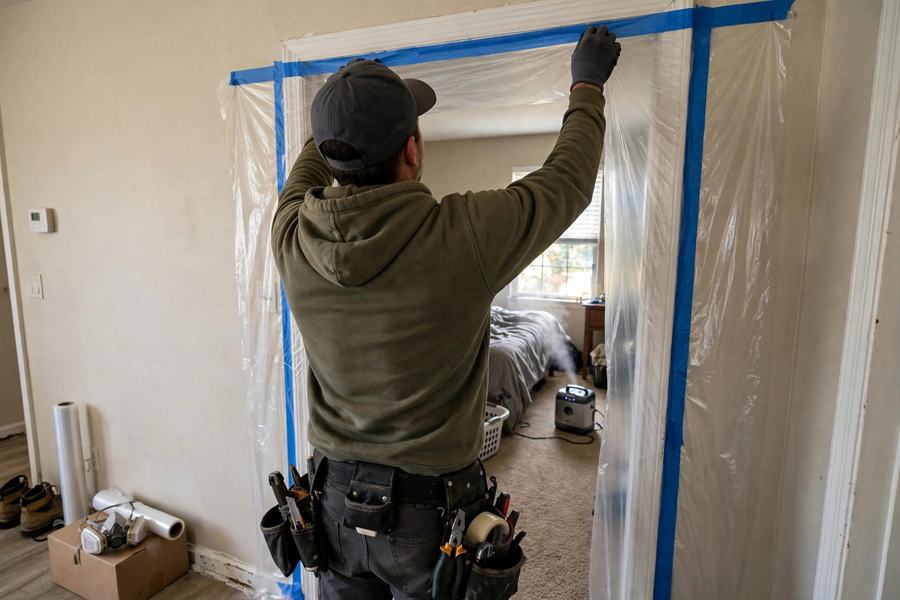
Odor removal treats the reservoir, not the air: residue in ductwork, attic insulation, and the cavities behind cabinets. Michigan's closed house winter works against a fire household here, because the ventilation that would air a house in June is not available in January, so odor work leans on source removal, sealing, and duct cleaning rather than open windows. The test is a cold house on a still day, not a breezy afternoon.
Signs you need smoke odor removal
- The smell survives open windows and ordinary cleaning
- Odor is stronger on warm days or when the heat runs
- Guests notice the smell when you no longer can
- Clothes and soft furniture smell of smoke weeks later
What the job involves
What affects the price
- Where the odor source sits: surface film versus inside wall cavities and ducts
- How much porous material (carpet, pad, upholstery, drapes) holds odor
- Whether sealing primer is needed on walls and ceilings
- Size of the home and number of rooms treated
- Whether contents need separate cleaning and storage
When it is an emergency
Odor is not an emergency, but it is the complaint that brings most fire clients back a month later, so it pays to scope it with the first assessment rather than after everything else is done. Masking sprays and scented products do not remove smoke odor; they layer over it for a few days.
PLACEHOLDERSmoke Odor Removal across the Farmington area
Related services
Fire Damage Restoration
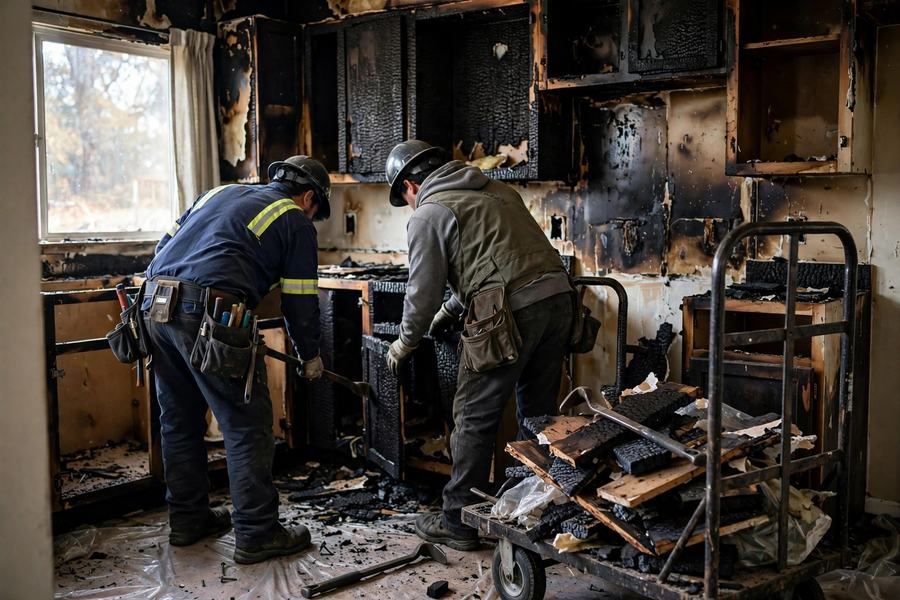
Full restoration for Farmington Hills homes, sequenced for Michigan: board up and water control first, freeze protection the same night, then smoke, contents, and rebuild.
Furnace Puff Back Cleanup
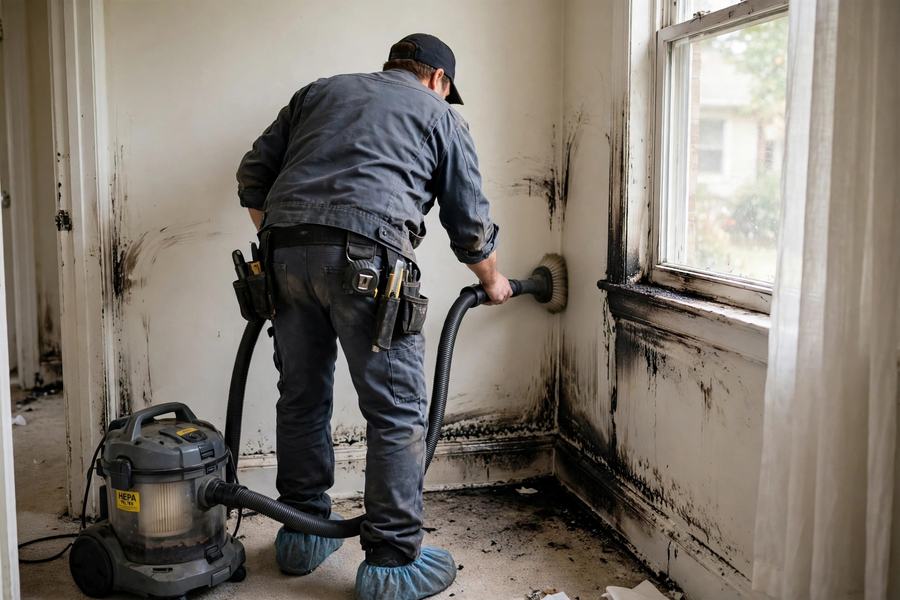
The first cold snap specialty: whole house oily soot and duct cleaning after a burner misfire, finished with the burner service that prevents the sequel.
Emergency Board Up and Tarping
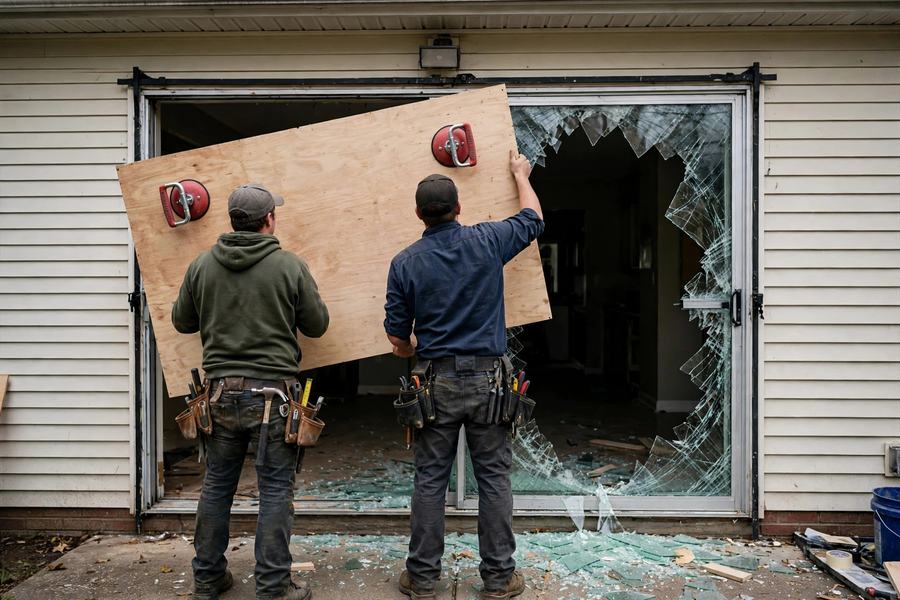
Same night securing of fire openings across the Farmington footprint, with the drain down or temporary heat decision made before the cold does it for you.
Smoke Damage Cleanup
Smoke cleaning that follows the duct runs of forced air ranch and colonial stock, room by room, tested before it is wiped.
Smoke Odor Removal questions, answered
When is smoke odor removal an emergency?
Odor is not an emergency, but it is the complaint that brings most fire clients back a month later, so it pays to scope it with the first assessment rather than after everything else is done. Masking sprays and scented products do not remove smoke odor; they layer over it for a few days.
What affects the price of smoke odor removal in Farmington?
The main price factors for smoke odor removal are covered in the cost section above. The contractor confirms the exact price in a written estimate after seeing the job, and nothing is owed until you approve it. The call and the referral are free.
Can I clean soot and smoke damage myself?
For a very light smoke film in one room, careful cleaning is possible, but two warnings matter. First, never wet wipe soot before dry lifting it: water and household cleaners smear soot and can set stains into paint permanently. Second, protein smoke from a kitchen fire and soot inside ducts, cabinets, and wall cavities are beyond household tools, and acidic soot left sitting etches metals and finishes within days. If the smell or film reaches more than the room that burned, a professional assessment is the safer call.
Will insurance pay for temporary housing after a fire?
Usually yes, if your policy includes loss of use (Coverage D), which most standard homeowners policies do. It pays the additional living expenses of being displaced, hotel or rental, and the increased cost of meals and essentials, up to your policy limit, while the home is uninhabitable due to a covered loss. Keep every receipt from the first night. If the home is habitable after the assessment, loss of use generally does not apply, which is one reason the habitability decision gets documented carefully.
What is board up and why does it have to happen the same night?
Board up is securing the home after the fire: fitted boards over broken windows and doors, and tarps over roof damage. It has to happen the same night for three reasons. Weather through a broken roof or window turns a fire loss into a fire plus water loss by morning. An open, visibly damaged home invites entry and theft. And insurers expect the property to be protected from further damage as a condition of the claim. The board up work is photographed and becomes part of your claim documentation.
Request a callback
Prefer to talk later? Leave your details and an independent local pro will call you back. No charge to you, no obligation.
Heritage Park Fire Restoration is a free referral service. Submitting this form connects you with independent local contractors who provide the work.